Mention Tuscany, and most people picture the same landscape: the Florence skyline, Siena’s grand piazza, or rolling Chianti vineyards lined with cypress trees. Those places deserve their fame, but they represent only one chapter of a much larger region.
Drive south toward the coast, and the scenery shifts. Grand cities yield to open countryside, oak forests, olive groves, and a long, wild stretch of Mediterranean coastline. Hilltop medieval villages overlook the landscape, while ancient fishing ports face the islands of the Tuscan Archipelago.
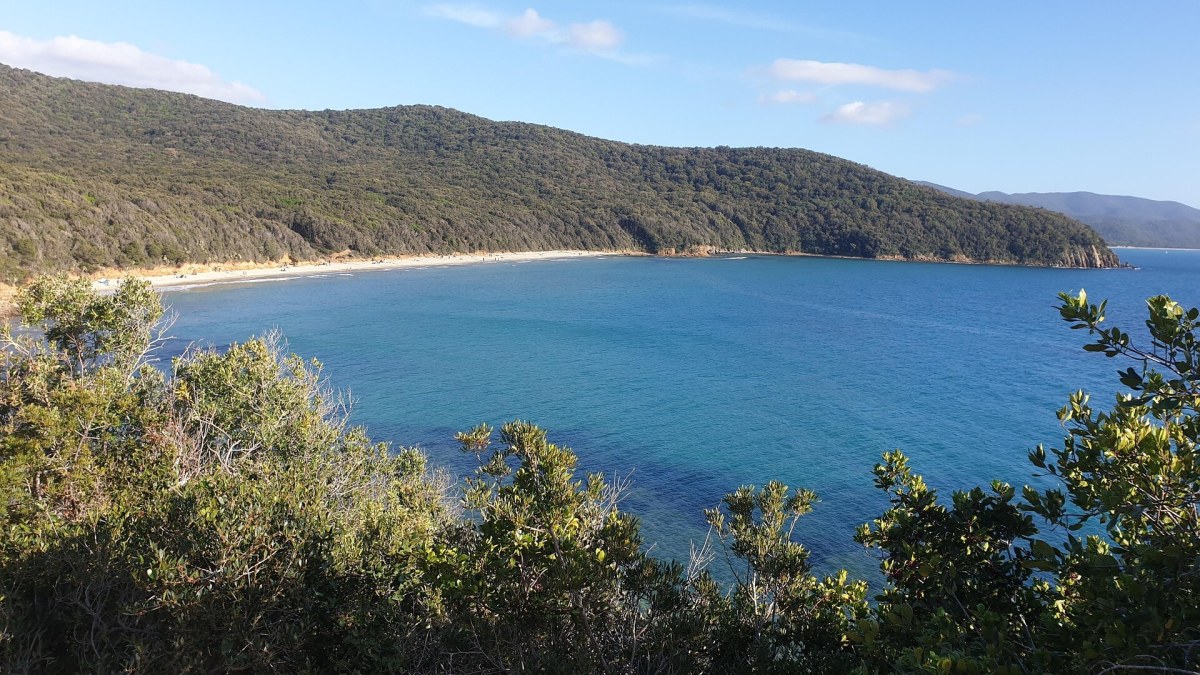
Maremma is a corner of southern Tuscany where you can still escape the crowds and find room to breathe.
Why Visit Maremma?
Maremma offers everything people love about Tuscany—uncrowded medieval towns, deep history, incredible food, and world-class wine—plus something increasingly rare in Italy: space.
Your days here take on an easy rhythm. You might spend a morning exploring an ancient archaeological site, stop for a long lunch in a quiet hilltop village, and end the afternoon swimming in the Mediterranean. Another day could mean hiking a nature reserve, playing a round of golf, visiting a family-run winery, or simply taking the long way through the countryside.
It is Tuscany at a slower, unhurried pace.
This appeal aligns with a major shift in travel trends. According to the Virtuoso Luxe Report 2026, avoiding over-touristed destinations is now the top choice for travelers seeking sustainable, meaningful trips. People want authenticity, rich regional food, and nature—and Maremma offers all of that.
Where Is Maremma?
Maremma covers the southern sweep of Tuscany—mainly the province of Grosseto—and spills slightly into northern Lazio.
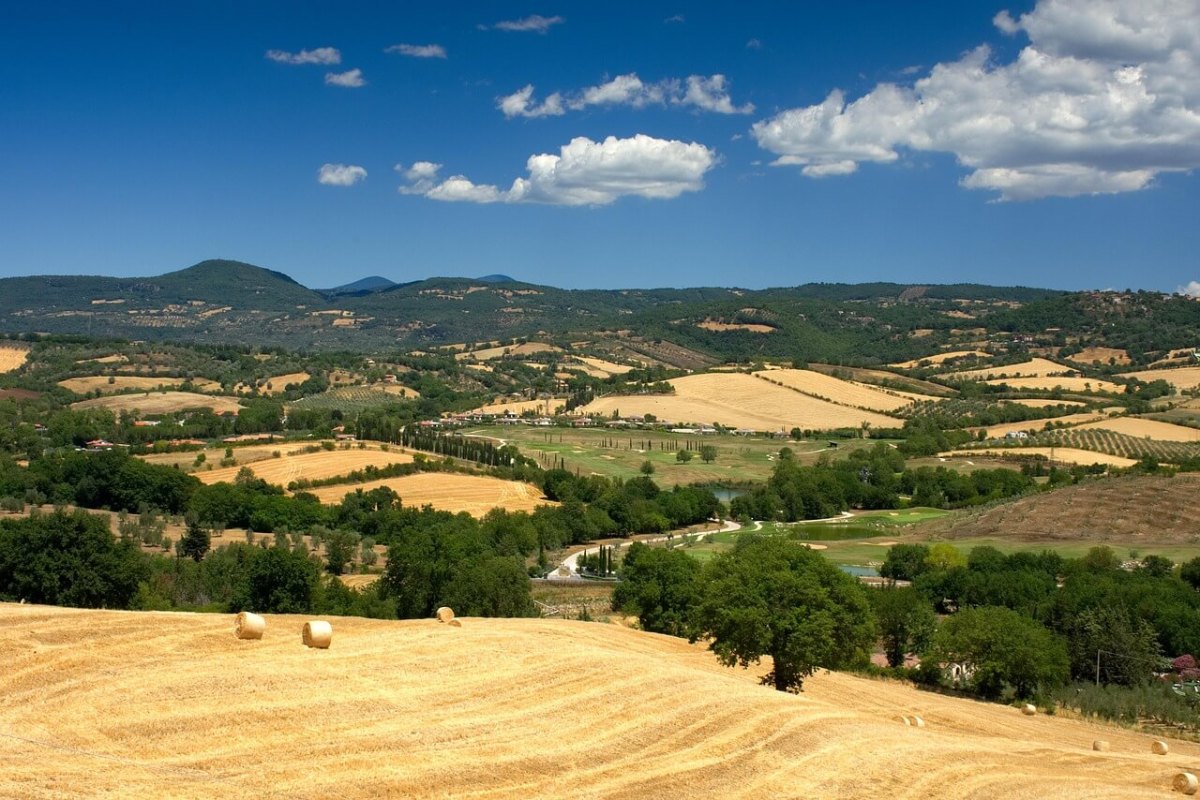
It is a difficult place to define with just one photo. Around the Argentario peninsula, dramatic cliffs drop into turquoise sea. A short drive inland, quiet roads wind past farmhouses, vineyards, and dense woodland.
Best of all, it is surprisingly accessible. Monte Argentario sits roughly 90 minutes by car from Rome’s Fiumicino Airport. That makes Maremma an easy seaside addition to a stay in Rome, or a standalone destination on its own. Instead of following the standard Rome–Florence train line, heading to the southern coast lets you experience a completely different side of Italian life.
Medieval Villages and Coastal Towns
Maremma rewards travelers who like to explore without a rigid checklist of famous sights.
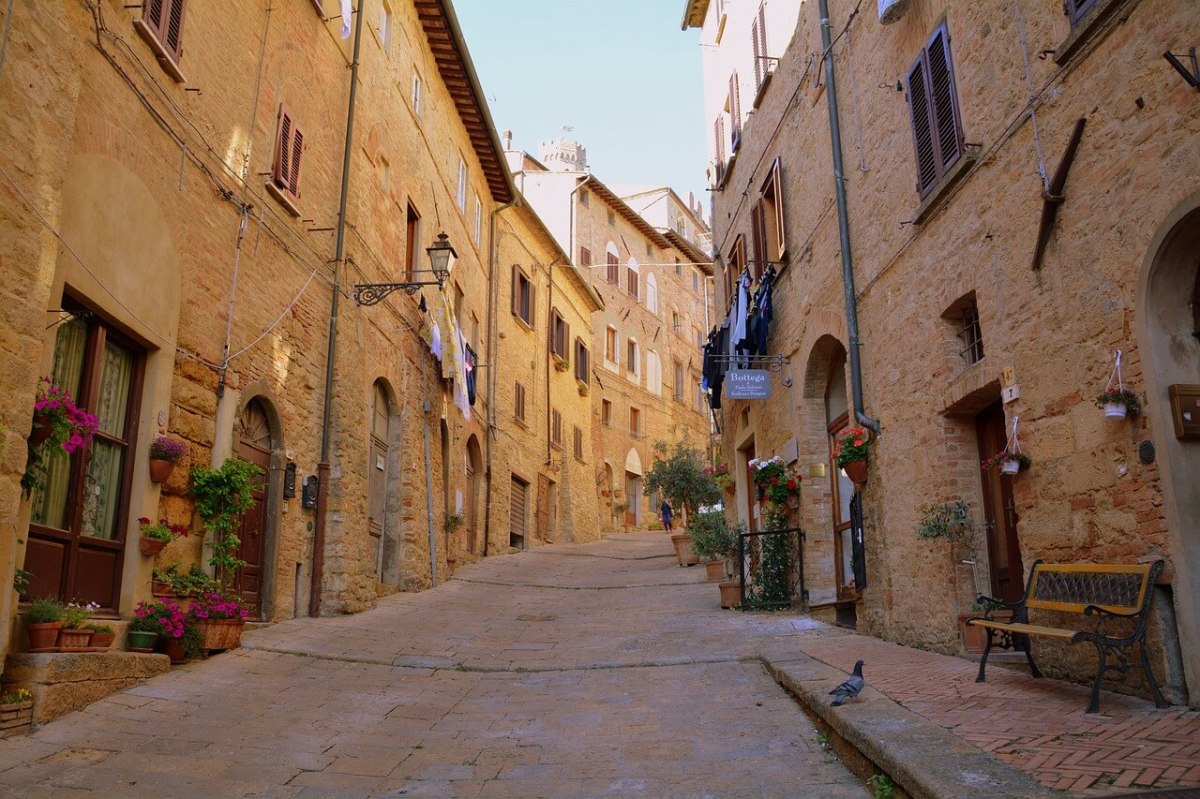
Inland, historic stone villages like Pitigliano, Capalbio, Magliano in Toscana, and Montemerano invite slow wandering. You can spend hours drifting through narrow alleyways, stopping in small piazzas, and taking in sweeping views of the valleys below.
Along the coast, the tempo shifts. On Monte Argentario, the harbor towns of Porto Ercole and Porto Santo Stefano remain working communities, deeply tied to maritime history and fresh seafood.
Because the landscape changes so quickly, a few days here can feel like several distinct trips rolled into one.
A Landscape Shaped by Etruscans and Romans
Maremma’s roots go far deeper than its medieval walls.
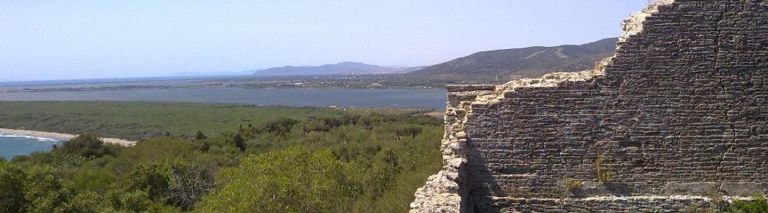
Long before the Romans, southern Tuscany was a heartland for the Etruscans. Today, ancient ruins remain scattered across the territory. Sites like Cosa, Roselle and Vetulonia, along with the necropolises carved into the tufa rock around Pitigliano and Sovana, offer a fascinating look into pre-Roman history. When the Romans eventually took over, they left their own mark across the landscape.
What makes exploring these ruins special is how integrated they are with nature. Ancient roads, overgrown tombs, and weathered stone arches sit inside quiet forests and farmland, turning history into an outdoor adventure.
Wild Coastlines and Hidden Coves
If you think of Tuscany purely as inland hills, Maremma’s coastline will surprise you.
Around Monte Argentario, rocky coves and sandy beaches hide crystal-clear water perfect for swimming and sailing. Right next to it, Feniglia offers miles of soft sand backed by a protected pine forest.
Food and Wine Rooted in the Land
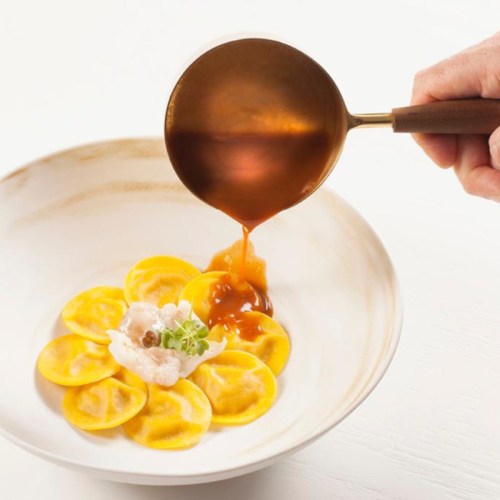
You never have to look far for a great meal here, because Maremma’s kitchen is directly tied to its landscape.
The menus reflect the contrast between the hills and the sea: handmade pasta, wild boar ragù, olive oils, and fresh catches brought in daily by local fishermen.
The wine scene is equally distinct. Maremma produces great wines, most notably the rich, approachable Morellino di Scansano, along with bold coastal reds grown near the sea.
While “farm-to-table” is a modern trend elsewhere, eating seasonally and locally in Maremma isn’t a marketing stunt—it is simply how people have always lived.
The Butteri: Living Rural Traditions
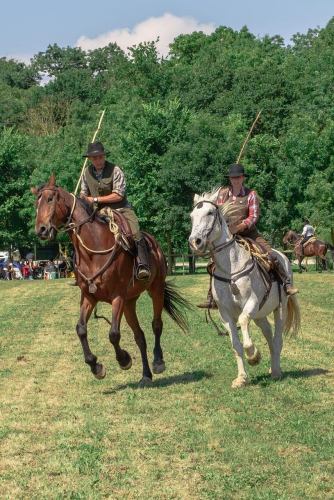
One of Maremma’s most distinct traditions belongs to the Butteri—the legendary horsemen often called the cowboys of Tuscany.
For generations, these skilled riders managed cattle across Maremma’s vast open pastures. While modern life has changed the region, the Butteri remain a proud symbol of local culture, frequently demonstrating their heritage at seasonal festivals.
It is a reminder that Maremma isn’t a polished resort area created for tourists. It is a working land with a distinct identity.
Wild Nature and Protected Landscapes
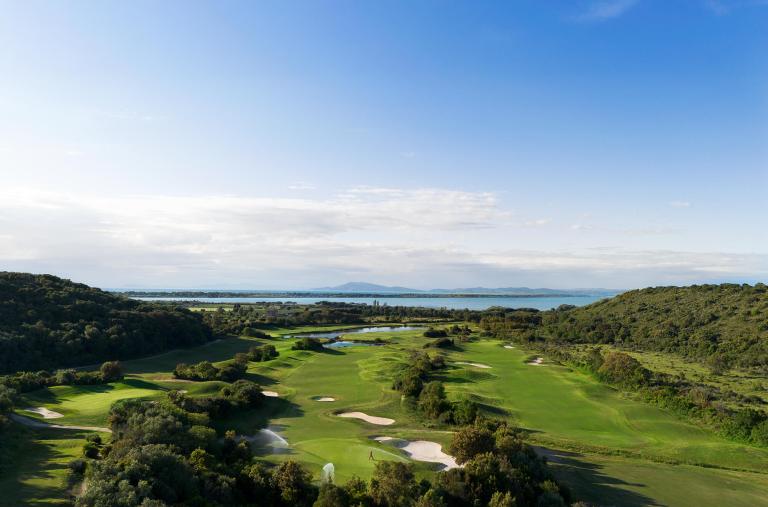
Nature is one of Maremma’s defining features. Along the coast, protected areas such as the Orbetello WWF Lagoon, the Duna Feniglia Nature Reserve and the Maremma Regional Park preserve dunes, pine forests, wetlands, Mediterranean scrub and long stretches of unspoilt coastline. They are the ideal terrain for hiking, horseback riding, and cycling—or playing a scenic round of golf with views of the hills.
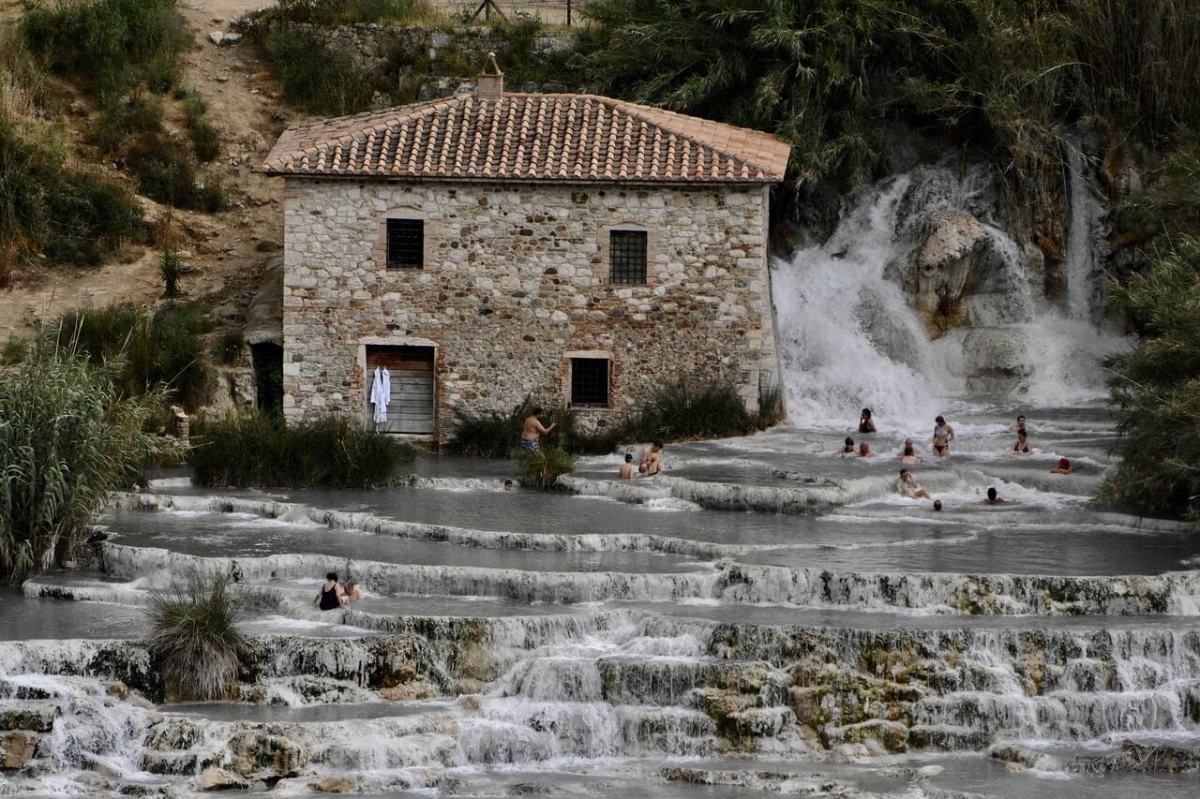
Inland, the landscape changes again, with wooded hills, open countryside and natural thermal springs such as those of Saturnia, whose warm waters have been appreciated since ancient times.
Whether hiking, cycling, wildlife watching or soaking in a natural hot spring, exploring Maremma often means spending much of the day outdoors.
When Is the Best Time to Visit?
There isn’t a single “best” month—it depends on what you want to do.
- Spring: Ideal for hiking, cycling, golf, and seeing the countryside in bloom.
- Summer: Best for coastal living, beach days, boat trips, and long dinners by the sea.
- Autumn: Grape and olive harvests, seasonal game dishes, and perfect temperatures for exploring villages and practicing outdoor sports.
- Winter: Quiet, atmospheric, and perfect for hot springs, golf and cozy meals.
Spring and autumn are becoming increasingly attractive times to travel, particularly as visitors look for milder temperatures and fewer crowds. The Virtuoso Luxe Report 2026 reflects the same shift, with travel advisors reporting growing interest in shoulder-season travel as travelers adapt their plans to changing weather patterns.
Is Maremma an Alternative to Florence?
Rather than trying to replace Florence or the Val d’Orcia, Maremma offers a completely different rhythm.
Choose Maremma if you want to mix country drives with days at the beach or sailing, explore nature parks, eat unpretentious local food, and travel at your own pace.
With Italy ranked as the world’s most popular destination in the Virtuoso Luxe Report 2026, many travelers will once again be heading for its best-kown cities and landmarks.
But Tuscany doesn’t end in Florence, Siena or the Val d’Orcia. Head south, take the road toward the coast, and you’ll discover another side of Tuscany—Maremma.
FAQ about Maremma Tuscany
Is Maremma worth visiting?
Yes, particularly if you want to combine the Tuscan countryside with the Mediterranean coast, historic villages, archaeology, local food and outdoor activities while staying away from Tuscany’s busiest destinations.
How many days do you need in Maremma?
Three or four days are enough to explore part of the region, but a week allows you to combine the coast, inland villages, archaeological sites, food and wine experiences and outdoor activities without rushing.
Do you need a car in Maremma?
A car is the easiest way to explore Maremma, particularly if you want to combine coastal towns, beaches, archaeological sites and smaller inland villages.
Where should you stay in Maremma?
Argentario Golf & Wellness Resort is a great base for discovering southern Maremma, combining nature, wellness, active pursuits, authentic food and privacy. As part of Autograph Collection, the Resort retains its independent spirit and a strong sense of place, with an identity deeply connected to the landscape and character of the Tuscan Maremma. Set among 77 hectares near the coast, it offers PGA National Italy golf, a wellness center, Tuscan cuisine, private villas and easy access to beaches, villages and the surrounding countryside.

