Maremma is a large area in southern Tuscany and northern Lazio. It stretches between hills, countryside and a long, wild coastline. Maremma also includes beautiful coastal towns such as Monte Argentario, Porto Ercole, Porto Santo Stefano and the lagoon town of Orbetello.
Today it is famous for nature, wine, beaches and traditional food. But its history goes back thousands of years.

Prehistory, Etruscans and Romans
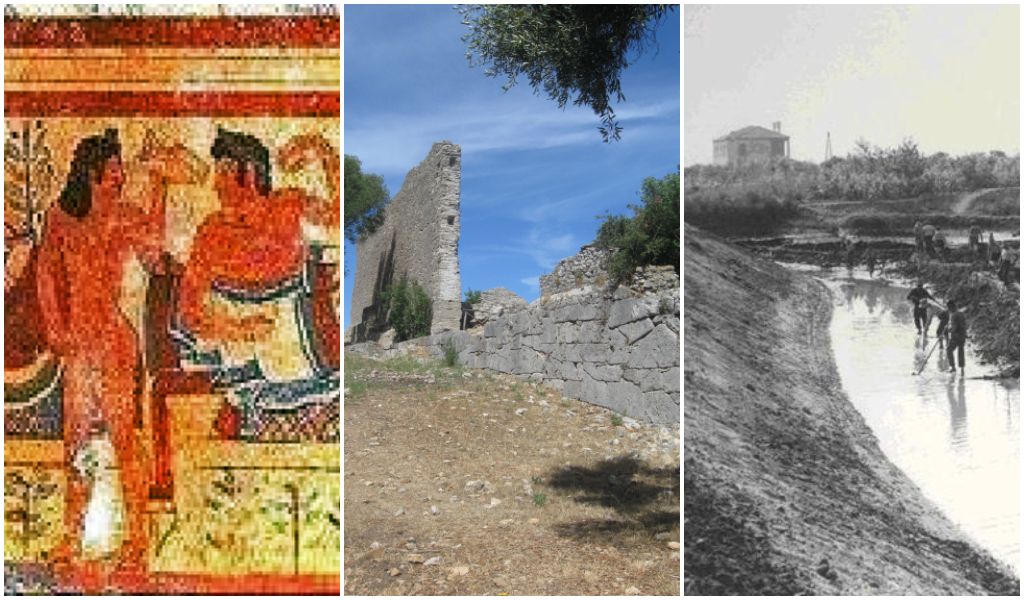
The first settlements in Maremma date to prehistoric times. Later, the Etruscans created towns, farms and ports across the region.
Important Etruscan and Roman centres included Populonia and Cosa. These places controlled trade in the Tyrrhenian Sea.
The land was rich but hard to manage. People used underground canals to drain fields. When the Roman Empire declined, this system collapsed. The land flooded again and malaria spread. Many villages were abandoned.
Middle Ages: Lords, Fortresses and a Famous Pope
During the early Middle Ages, Maremma belonged to the powerful Aldobrandeschi family. They ruled much of southern Tuscany and built many fortresses that still dominate towns like Sovana, Pitigliano and Santa Fiora.

Curious fact: in 1073, a man from Maremma became pope: Hildebrand of Sovana, known as Gregory VII. He was head of the Catholic Church and ruler of the Papal States from 22 April 1073 to his death in 1085. He initiated the Gregorian Reform, and is perhaps best known for the part he played in the Investiture Controversy, which was a conflict between the Church and the state in medieval Europe over the ability to choose and install bishops, abbots of monasteries, and the Pope himself.
Swamps, Malaria and Foreign Rule
For centuries, most of Maremma was covered in wetlands and coastal marshes. Malaria made life extremely difficult.
Writers often described this harsh environment. Dante Alighieri mentioned Maremma in the Divine Comedy to describe a dangerous and unhealthy land.
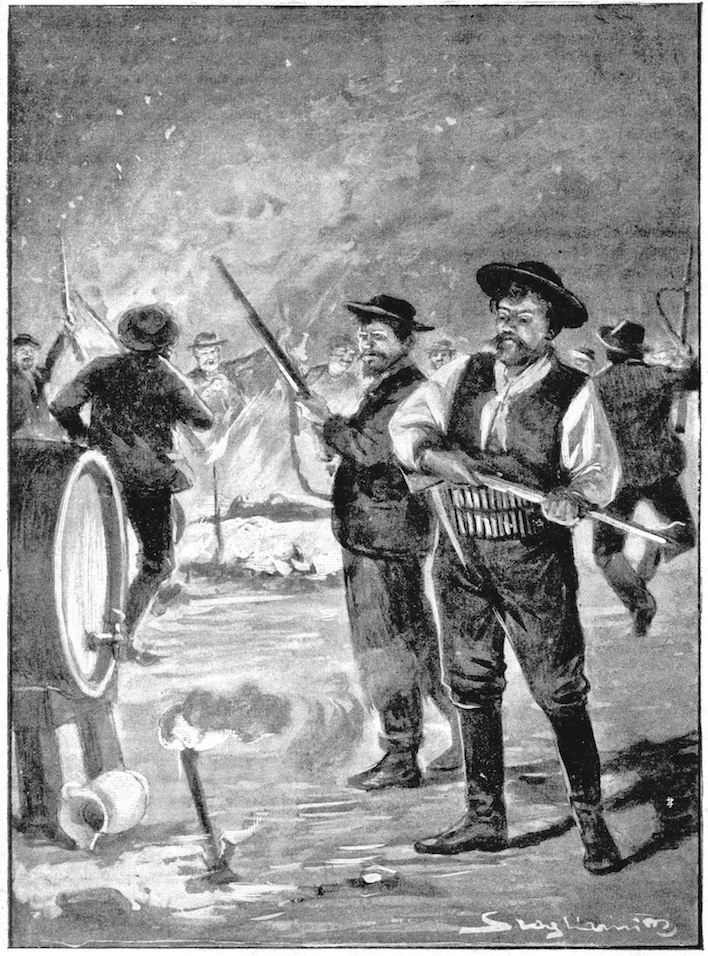
Even so, the area remained important as winter pastureland for herds coming down from the Apennines. Bandits also became part of local history and legend.
Among the most famous brigands from the Maremma region was Domenico Tiburzi, remembered as a legendary 19th-century “Robin Hood” figure tied to the area’s rural history.
Spanish Rule and the Stato dei Presidi
From the late 16th century to the early 18th century, part of southern Maremma became the Stato dei Presidi, a small coastal territory controlled by the Spanish Empire.
Its strategic heart was Orbetello, which served as the capital, while Monte Argentario, Porto Ercole and Porto Santo Stefano hosted military forts, towers and garrisons. These strongholds protected Spanish routes in the Tyrrhenian Sea. Many of the impressive coastal fortifications you see today were built during this period.
The Great Reclamation
From the 18th century onward, the Grand Dukes of Tuscany, particularly under the Lorraine dynasty, initiated efforts to reclaim the Maremma lands. These structured drainage projects gained significant momentum in the 19th century, drastically reducing the coastal marshlands.
The Italian government accelerated these efforts in the 1930s with comprehensive planning and engineering works aimed at finishing the centuries-long struggle against the swamps.
The final and most effective transformation occurred after World War II. In 1951, the Maremma Land Reform Agency completed the sanitation of the region, building new farms, roads, and rural centers, which ultimately defeated malaria and restored the land’s fertility for large-scale agriculture.

Maremma Today
Today, Maremma is a peaceful rural area with a strong agricultural and tourism economy.
Local farms grow cereals, fruit, olives and grapes. The region is also known for wine, olive oil and traditional cattle and horse breeding.
Along the coast, fishing remains part of local culture. Minerals such as pyrite, iron, mercury and antimony have historically been extracted in the area, especially around the Colline Metallifere and Monte Amiata.
Popular destinations today include the Monte Argentario peninsula, with the seaside villages of Porto Ercole and Porto Santo Stefano, and the historic lagoon city of Orbetello.
Maremma is now a favourite destination for travellers who love nature, beaches, outdoor sports, history and good food.
The Name “Maremma”: Where It Comes From
The origin of the name Maremma is primarily linked to its geographical and historical characteristics.
The most widely accepted etymology traces the name to the Latin term maritima, meaning “coastal land” or “maritime region.” This perfectly describes the region’s long stretch of coastline.
An alternative theory notes a strong connection to the Spanish word marisma, which means “swamp” or “marsh.” This term aptly describes the extensive wetlands and malarial swamps that historically dominated much of the landscape. While marisma itself is ultimately derived from the Latin maritima, the Spanish influence (due to the presence of the Spanish State of Presidi on the coast in the early modern era) may have reinforced the name’s association with its marshy condition.
Both explanations fit the historic reality of Maremma as a region that mixes a long coastline with former, extensive wetlands.
Animals of the Maremma
Maremma has given its name to several local breeds:
- Maremmano horse – the traditional working horse used by the butteri (local cattle herders).
- Maremmana cattle – large grey cows known for their strength and long horns.
- Maremmano-Abruzzese sheepdog – a white guard dog used to protect flocks.
- Macchiaiola Maremmana pig – a small rustic pig breed from the coastal scrublands.
These animals are part of the region’s rural identity.
FAQ About Maremma Tuscany
Where is Maremma?
Maremma is in southern Tuscany and partly in northern Lazio, on the Tyrrhenian coast of central Italy.
Is Maremma good for nature lovers?
Yes. It has national parks, nature reserves, beaches, pine forests and countryside perfect for hiking, biking and birdwatching. Read more articles about nature here.
What is Maremma food like?
Expect simple, rustic dishes: wild boar, beef, fresh fish, vegetables, soups and high-quality olive oil.
Is Maremma safe to visit?
Yes. Malaria disappeared decades ago after modern reclamation and sanitation projects.
When is the best time to visit?
Spring and autumn are ideal for nature and outdoor activities. Summer is perfect for beaches. Winter is quiet and peaceful.
Where can I stay to explore Monte Argentario and southern Maremma?
You can choose from many hotels, farmhouses and seaside towns. A popular base is the Argentario Golf & Wellness Resort, Autograph Collection, located between Porto Ercole, Porto Santo Stefano and Orbetello, with easy access to beaches, nature reserves and historic sites.
Sources:
Encyclopædia Britannica
Principe Corsini Magazine
All photos from tuttatoscana.net
 MaremmaBlog
2 thoughts on “A Brief History Of Maremma Tuscany”